

You might think vision therapy is just for children, but many adults struggle with vision problems that go beyond what normal glasses or contact lenses can fix. Maybe you get headaches after a long day at the computer, lose your place while reading, or feel like your eyes just can’t work together properly.
Yes, adults can absolutely benefit from vision therapy, and it can help with everything from digital eye strain to vision problems following an injury. Vision therapy trains your visual system to work more efficiently, addressing coordination and processing issues that traditional eyewear can’t solve.
What Is Vision Therapy and How Does It Work?
Vision therapy is a structured program of visual activities designed to improve how your eyes and brain work together. Think of it as physical therapy for your visual system. You practice specific exercises that train your eyes to coordinate better, focus more efficiently, and process visual information more accurately.
Unlike a regular vision check that determines if you need glasses, vision therapy addresses functional vision problems. If your eyes are healthy and your prescription is current, you may still experience discomfort because your eyes aren’t teaming up properly.
Vision therapy can help with several types of vision issues:
- Eye coordination issues that make it hard for both eyes to work as a team
- Focusing problems when switching between near and far objects
- Eye movement difficulties that affect reading and tracking
- Visual processing challenges that impact how your brain interprets what you see
- Strabismus (crossed eye) that affects eye alignment and coordination
Conditions Vision Therapy for Adults Can Address
Adults experience different vision issues than children, and vision therapy can be designed to address the specific conditions that affect them. Common conditions adults struggle with include:
Digital Eye Strain and Computer Vision Issues
Hours of screen time can reveal underlying coordination problems between your eyes. When your eyes struggle to maintain focus, you end up with tired, strained eyes even if your prescription is perfect.
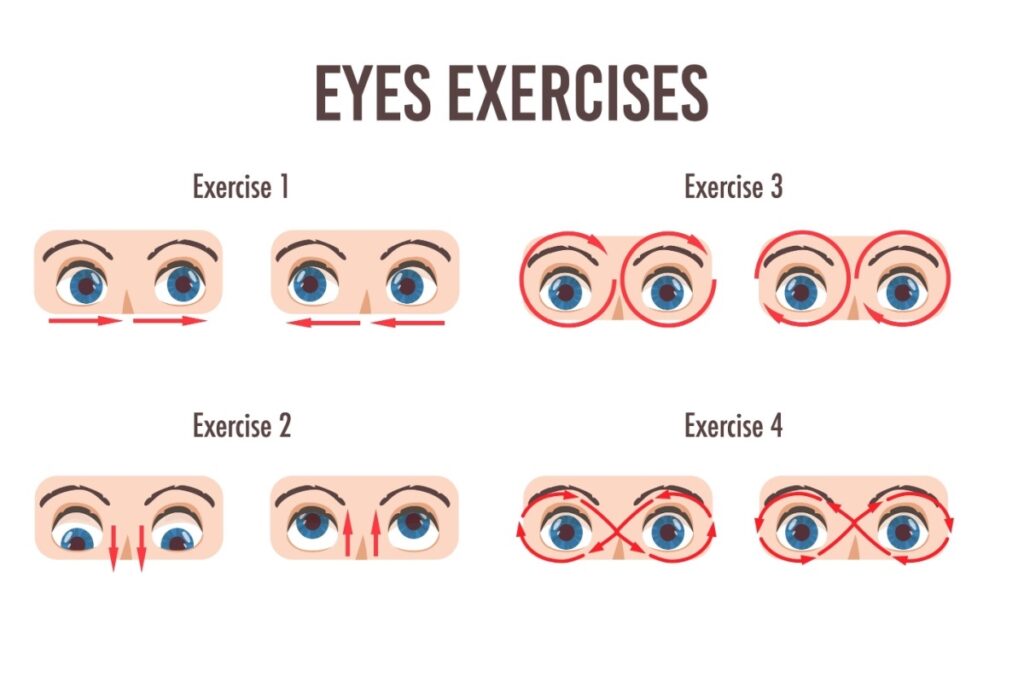
Many adults develop focusing inflexibility from prolonged near work. Your eyes get “stuck” at computer distance, making it harder to shift focus smoothly between your screen, keyboard, and across the room. Treating digital eye strain can combine ergonomic changes with vision therapy exercises.
Post-Injury Vision Problems
Concussions and brain injuries often disrupt the neural pathways that control eye movements and coordination. You might notice double vision, difficulty reading, or problems with depth perception weeks or months after your injury.
Even mild head trauma can throw off the delicate timing between your eyes. Vision therapy helps retrain these connections, often improving symptoms that seemed unrelated to your vision.
Age-Related Vision Changes
As you age, your focusing system becomes less flexible. That’s why you might start holding your phone farther away to read text messages. But presbyopia isn’t the only change; your eye teaming abilities can also shift over time.
Some adults develop convergence problems in their 40s and 50s, making close work increasingly uncomfortable even with proper reading glasses.
Signs You Might Need Vision Therapy
Your body often signals vision problems before you realize your eyes aren’t working efficiently:
- Frequent headaches during close work or computer use
- Eye fatigue that doesn’t improve with rest
- Double vision or blurred vision that comes and goes
- Neck and shoulder tension from unconsciously compensating for vision problems
You might also notice these everyday challenges:
- Trouble focusing when switching between near and far objects
- Losing your place while reading or rereading the same line
- Poor depth perception when parking or navigating stairs
- Difficulty with hand-eye coordination in sports or detailed work
If you experience persistent eye strain, specialized glasses can help tired eyes from screen use, but functional vision problems may need additional therapy.
How Vision Therapy Works for Adults
All vision therapy programs start with an assessment. A comprehensive vision evaluation goes far beyond reading eye charts. Your optometrist tests how well your eyes move together, how quickly you can change focus, and how accurately you judge distances and spatial relationships.
These specialized tests reveal coordination problems that don’t show up during routine eye exams, allowing optometrists to create a customized treatment plan based on your specific visual challenges.
Vision therapy uses progressive exercises tailored to your needs. You start with basic coordination activities and gradually work up to more complex visual tasks that mirror real-world demands. Consistency matters more than intensity. Regular practice helps your visual system develop new coordination patterns that become automatic over time.
Treatment combines in-office sessions with home practice. You typically attend weekly or bi-weekly sessions, with daily home exercises that take 15 to 30 minutes. This approach helps your visual system develop new habits and maintain improvements between appointments with your eye care team. Vision therapy typically takes anywhere from a few weeks to months to show meaningful improvement.
Vision Therapy for Any Age
Vision therapy isn’t just for kids. If you experience ongoing visual discomfort, even with your prescription up to date, ask Dr. Chris Schell whether vision therapy may be an option for you. Through a comprehensive eye exam, we can assess your symptoms and recommend effective treatment options.No matter your age, comfortable vision is within reach. Book your appointment today!