
Key Takeaways
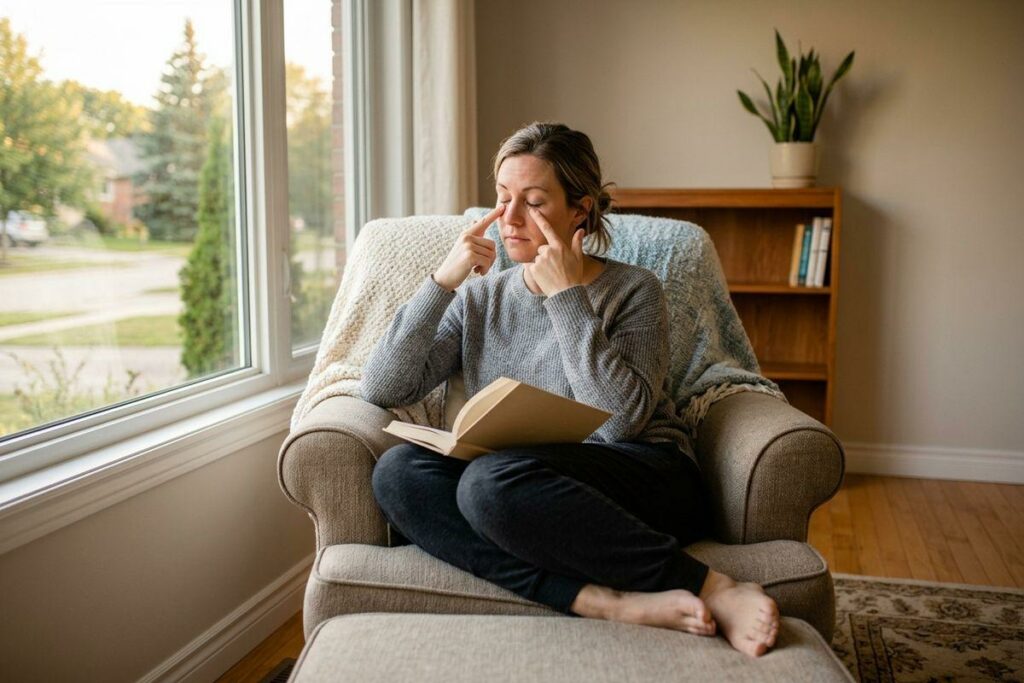
- Eye fatigue is a heavy, tired feeling after long close-up tasks like reading or homework.
- Fewer blinks, hardworking eye muscles, and screen text can all add to the strain.
- The 20-20-20 rule, a comfortable workspace, and artificial tears can help ease symptoms at home.
- Kids and teens can benefit from regular breaks and daily outdoor play.
- An eye exam can help when tired eyes keep coming back.
You finish a chapter of your favourite novel or help your child wrap up a math worksheet, and suddenly your eyes feel heavy, scratchy, and ready to close. Our team at Dr. Chris Schell O.P.C. hears about this feeling from families of all ages, especially after evenings filled with books, tablets, and homework.
Your eyes may feel tired after reading because close-up focus keeps your eye muscles working hard, and you tend to blink less when you concentrate on a page or screen. The good news is a few simple habits can help, and a family eye exam can help uncover what’s behind tired eyes that keep returning.
What Is Eye Fatigue?
Eye fatigue is the heavy, tired feeling your eyes get after long close-up tasks. It often shows up with books, tablets, phones, and homework, and it can sneak up on adults and kids alike.
Rest and a good night’s sleep can help your eyes feel refreshed by morning.
Signs Your Eyes Need a Break
Your eyes may be asking for a break if you notice any of these signs:
- Your eyes feel dry, scratchy, or watery.
- Your vision turns blurry, or you have trouble focusing.
- You get headaches, double vision, or a sore neck.
Common Reasons for Tired Eyes
Several everyday situations can leave your eyes feeling worn out, including these:
- You spend long stretches on close-up work without breaks.
- You’re short on sleep or dealing with seasonal allergies.
- Your glasses prescription is out of date.
You Blink Less Up Close
When you’re lost in a story, especially on a tablet or your phone, your blinks may slow down. Fewer blinks can dry out your eyes, leaving them gritty by the end of a chapter.
Watery eyes might seem like the opposite of dryness, but they can be a sign of dry eyes.
Half blinks, where your lids don’t fully close, are also common on devices.
Your Eye Muscles Work Hard
Close-up focus keeps the muscles that focus your eyes and help them work as a team busy the whole time. After a while, those tired muscles can lead to temporary blurry vision.
You might also notice a headache or trouble focusing when you look up from the page.
How Screens Compare to Printed Books
Screen text is less sharp than printed text. Your eyes keep refocusing on pixelated letters, and your brain works nonstop to process it all.
So an hour on a tablet can leave your eyes feeling more worn out than an hour with a paperback.
How to Ease Tired Eyes at Home
A few small changes can bring your eyes some relief right at home. Each one takes only a minute or two and fits easily into homework time or a bedtime story.
Try the 20-20-20 Rule
This easy habit fits into any reading session, and it follows 3 steps:
- Every 20 minutes, look at something about 20 feet away.
- Keep your gaze there for 20 seconds.
- Blink fully so your upper and lower eyelids touch.
A kitchen timer or phone reminder can help you remember. Kids often enjoy being the one in charge of the timer.
Set Up Your Space
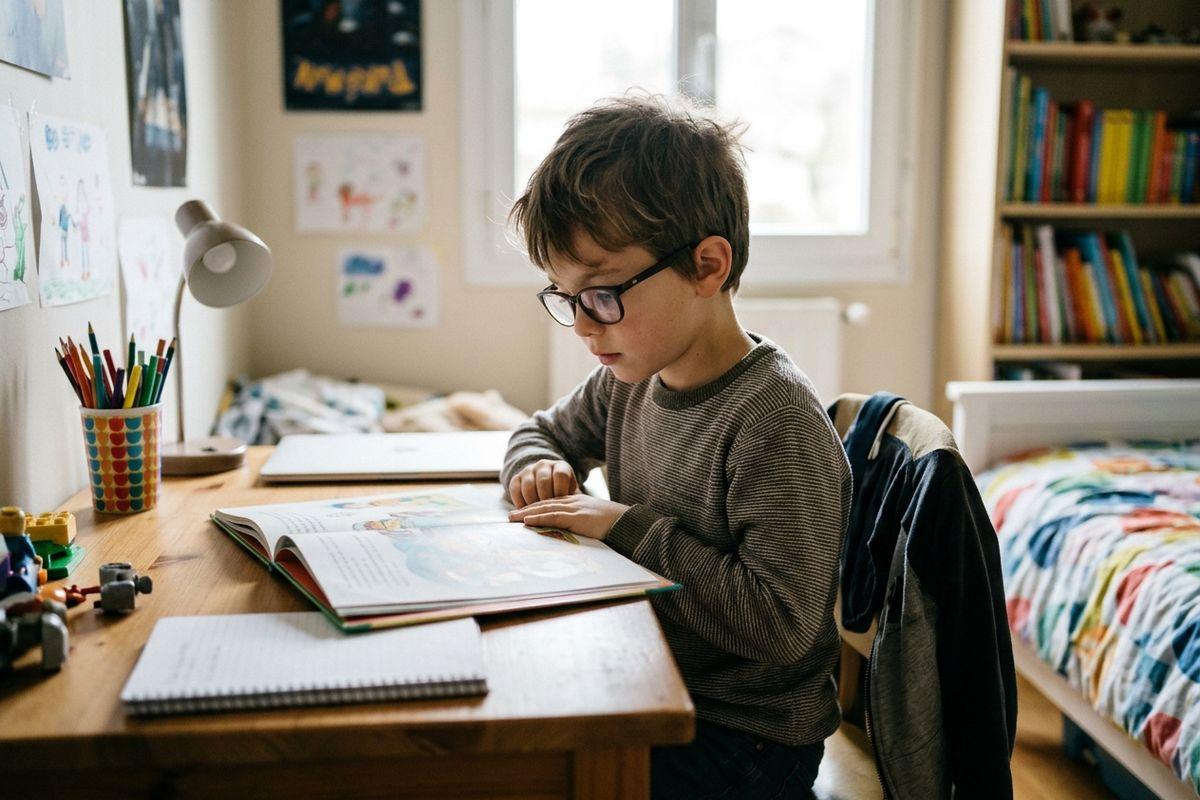
Your desk or reading nook can feel more comfortable with these adjustments:
- Keep screens just below eye level and about an arm’s length away.
- Adjust screen brightness and contrast until they feel comfortable.
- Read under good, even light.
Give Your Eyes Some Comfort
When your eyes already feel heavy, you can try these comfort steps:
- Preservative-free artificial tears can help with dryness.
- A warm compress can offer short-term relief.
- Drinking water and keeping fans from blowing on your face can help your eyes feel less dry.
Healthy Eye Habits for Kids and Teens
Kids can spend hours on tablets, video games, and homework without noticing their eyes are tired. Too much screen time may be linked to nearsightedness (myopia), so healthy habits from a young age can support their eyes.
Teach your child to take breaks and blink fully while doing homework. A sticky note on the desk with the 20-20-20 rule can turn it into a fun challenge.
Encourage outdoor play every day, whether it’s tag at the park or a fall walk along Kempenfelt Bay.
When to Book an Eye Exam
Home remedies can help with occasional tired eyes. When the strain keeps returning, an eye exam can help you find answers.
Signs It’s Time for a Checkup
Consider booking an appointment if any of these sound familiar:
- It’s been a while since your last eye exam.
- Your tired eyes keep coming back, even after rest.
- You notice sudden changes in your vision.
How We Can Help
An optometrist looks at the whole picture of your eye health and your visual needs.
During your visit:
- Your eye doctor can update your prescription for new glasses or contact lenses.
- Your eye doctor can check for dry eye and other eye concerns.
- Your whole family can see the same eye doctor, which makes scheduling simpler.
You deserve to enjoy your favourite stories, ease homework sessions, and view screens in comfort. Come in to book your family’s next eye exam with Dr. Chris Schell O.P.C., and let our team help your eyes feel fresh for every chapter ahead.