

Your eyes water more than you probably realize, and most of the time you don’t even notice it happening. Tears keep the surface moist, rinse away dust, and help you see clearly with every blink.
Trouble starts when that balance tips one way or the other. Watery eyes usually happen because your eyes are making too many tears or the tears aren’t draining the way they should, so they spill down your cheeks instead of doing their job. Most of the time, it’s temporary and clears up once whatever bothered your eyes is gone.
Common Reasons Your Eyes Keep Watering
A lot of everyday things can set your eyes off, and the causes tend to fall into 2 categories: what’s happening around you, and what’s happening with your eyes themselves.
Everyday Irritants
Something as simple as the weather can start the waterworks. Your eyes read irritation as a threat to the surface, so they respond the only way they know how: with tears.
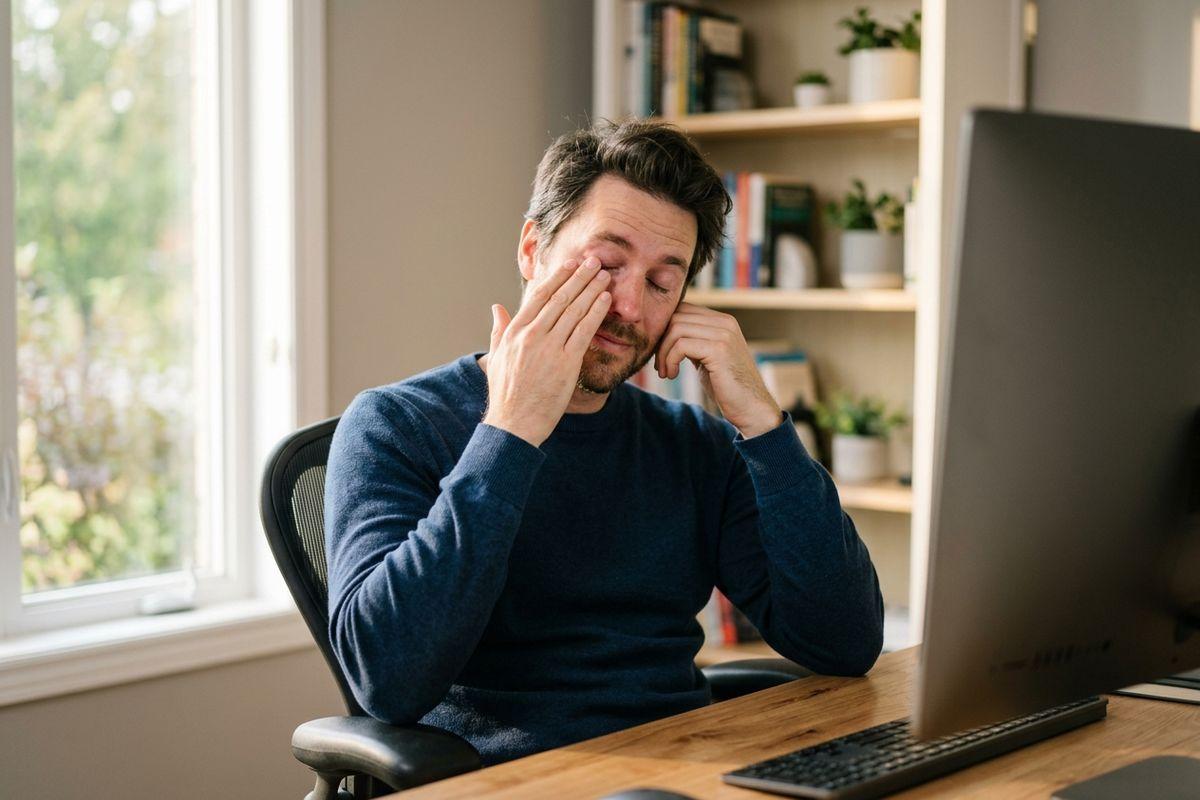
Screens work a little differently. Stare at a phone or monitor long enough, and you blink less, which dries out your eyes and triggers a flood of tears to make up for it. That same dry, overworked feeling can build after a full day at a desk, even without any wind or dust involved.
A few everyday triggers to know about:
- Wind, cold air, dust, or bright light
- Long stretches of screen time without a break
- Seasonal allergies or hay fever
- A head cold or sinus congestion
Eye-Related Causes
Sometimes the problem starts inside the eye itself rather than around it. Dry eyes are a common factor here. An irritated, rough surface can trigger tears as a defence response, so dryness and watering often show up together.
A few eye-related causes worth knowing about:
- Dry eye triggering extra tear production
- A partly blocked tear duct, common in babies
- Eyelid irritation or inflammation
- An infection such as pink eye
- Eyelashes that grow inward and rub against the eye’s surface
Why Only One Eye Might Water
Sometimes only one eye acts up, and when that happens, the cause is usually local to that side. Drainage is one possibility, especially if only one side isn’t working the way it should. So pay attention to which eye is bothering you and how long it’s been going on.
A few reasons one eye might water on its own:
- A blocked tear duct on that side
- A stuck eyelash or foreign object under the lid
- Irritation from rubbing or scratching
- A localized infection
How to Stop Watery Eyes at Home
Small changes can calm things down before your day gets away from you. Try these steps first:
- Hold a warm, damp cloth over your closed eye for a few minutes to help loosen a blocked duct.
- Take screen breaks and rest your eyes, looking at something far away every 20 minutes or so.
- Manage allergies and everyday irritants by keeping dust down and shielding your eyes from wind.
If the watering keeps coming back even after you rest and adjust your habits, that’s your cue to dig a little deeper.
When to Book an Eye Exam
Most watery eyes settle down without any help, but some signs go beyond a passing annoyance. Here are some symptoms worth paying attention to:
- Watering that won’t clear up after a few days
- Vision changes
- Eye pain
- Redness
- Swelling
- Thick discharge
An optometrist can check your tear ducts and look at the overall health of your eyes to figure out what’s driving the watering.
From there, the team can talk through glasses or contact lenses if a prescription change would help, since blurry or strained vision sometimes plays a role too.
Let’s Get to the Bottom of Those Watery Eyes
The goal is finding the root cause together, so you and your family can get back to comfortable, clear days.
Dr. Chris Schell and the team welcome families of every age, and they’re happy to take a look at those watery eyes. Book your eye exam today and find out what your eyes are trying to tell you.